Nobody warns you about this part.
You’ve done everything right. You’ve had your baby, you’re getting through the exhaustion, and somewhere around week six you catch yourself in the mirror and think: why does my stomach still look pregnant? You press your fingers gently into your midline and something feels wrong. Soft where it shouldn’t be. A ridge that appears when you sit up. A core that feels like it belongs to someone else.
You’re not being dramatic. You’re not just “out of shape.” And you are absolutely not alone.
What you might be experiencing is diastasis recti, a separation of the abdominal muscles that affects far more women after pregnancy in the UK than anyone talks about. Most are never told it exists. Many spend months doing the wrong exercises and making it worse without realising. Some are told to simply “wait and see” by people who should know better.
Here’s what this article covers: exactly what diastasis recti is, how to tell if you have it, which non surgical diastasis recti treatment options genuinely work, what you must stop doing immediately, and when surgery actually needs to enter the conversation.
No fluff. No false reassurance. Just everything you actually need to know.
Diastasis Recti Treatment: Why Most Women Don’t Need Surgery to Fix It ?
Yet, this stage often goes unmentioned.
For the majority of women in the UK, effective diastasis recti treatment doesn’t have to mean going under the knife. There are non-surgical routes that genuinely work — provided you know what you’re doing and, crucially, what to avoid. Here’s everything you need to understand before making any decisions about your recovery.
So, what exactly is diastasis recti?
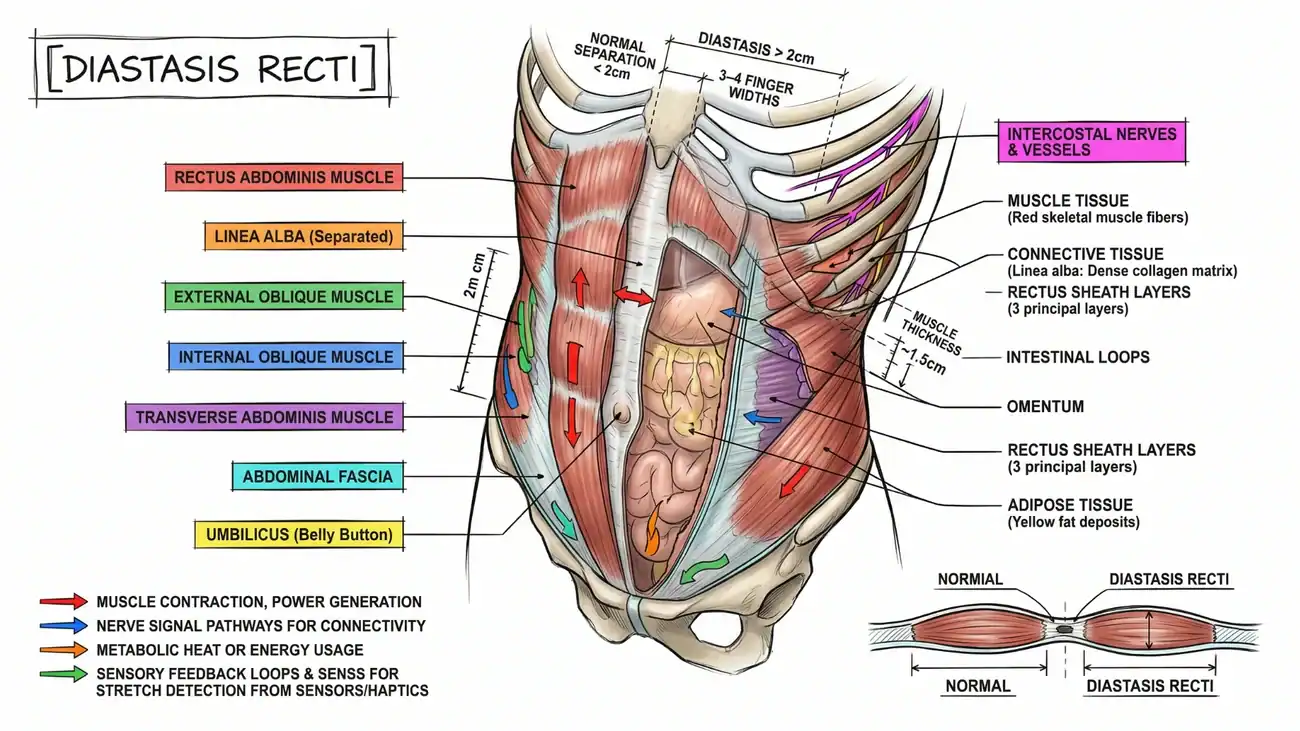
Those two vertical muscles down the centre of your abdomen are called the rectus abdominis. They are joined along the midline by a band of connective tissue called the linea alba. As your uterus grows during pregnancy, it pushes everything outward in its path. That pressure stretches and thins the linea alba, creating space between the muscles.
It’s not a tear. Nothing has snapped. But the connective tissue has been compromised, and the space it leaves behind influences how your entire core works.
And that gap can be small or big. It can be positioned above the navel, below the navel or cover your whole midline. And its influence reaches far beyond aesthetics. Untreated diastasis recti in women often presents as low back pain, pelvic floor dysfunction, a vague sense of core instability, and the maddening sensation that no exercise works.
But how do you know if you have it?
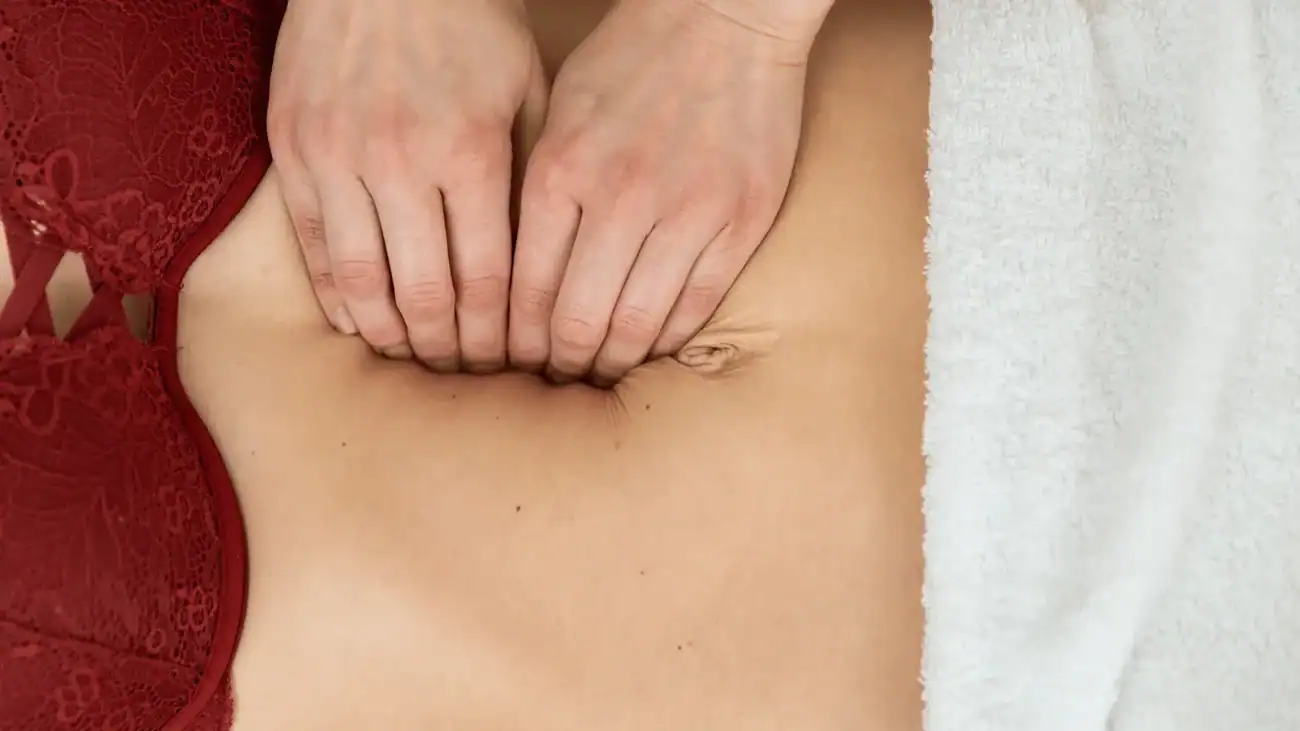
A quick self-check can give you an indication. Lie on your back with your knees bent and your feet flat. Slowly lift your head and shoulders off the floor, as if starting a crunch, and press your fingertips gently into the midline just above your navel. If you can sink two or more fingers into a soft gap, diastasis recti is likely present.
That said, a proper assessment from a women’s health physiotherapist is always worth getting. They can accurately measure the gap, assess tissue tension (which matters just as much as the width), and tell you exactly what you’re dealing with. Some clinics use ultrasound imaging for a more precise picture.
Book a Free Consultation at Lipo360 to confirm whether you have diastasis recti.
Your Non-Surgical Diastasis Recti Treatment Options
And this is where many women get tangled, since “non-surgical” is a very wide category, and not all the techniques offered under that umbrella are administered with equal care.
Most treatment usually begins with physiotherapy. You need to work with a women’s health physio to retrain the deep core muscles, like the transverse abdominis, which act as a natural corset around your spine and pelvis. Common elements of the programme include respiratory retraining, pelvic floor conditioning and a graded exposure to core stability. The physiotherapist will create a set of exercises tailored to you and evaluate your progress.
Diastasis recti rehab is not the same as other general physiotherapy methods: it should be structured, specific, and continuous. That means breaking things into regular sessions of specific muscle groups, gradual progression and constant monitoring. With consistent work, most women see a huge difference within three to six months.
Regain Control oF Your Shape Read our Guide on : Pelvic Floor Rehabilitation
Another option is body-contouring devices. Certain clinics provide non-invasive therapies that utilise electromagnetic energy to stimulate deep muscle contractions. These sessions can complement physiotherapy for women who struggle to activate their deep core muscles through exercise alone, and are particularly useful when traditional rehabilitation isn’t achieving the expected results. Your clinician can guide you if this is the right addition to your plan.
Pursuing a standalone aesthetic or body-contouring treatment without rehabilitation is never the solution.. For women in whom physiotherapy isn’t sufficient, or anyone who wants to accelerate their recovery, the best results may come from combining both strategies. Your health professional can guide you on making integration possible.
If you are seeking non-surgical diastasis recti treatments, Walthams Cross, it is highly worthwhile to schedule a consultation to help you understand which combination of approaches will work best for your unique presentation.
These abdominal support garments can be useful in the early days postpartum to increase comfort and minimise midline pressure during activity. They’re not a treatment. They do not close the gap or heal the tissue. But they can make the time of rehabilitation a little less miserable, and that’s something when you’re depleted and mending.
Check out the pricing from lipo360 for Body Sculpting Sessions
What You Need to Stop Doing Immediately
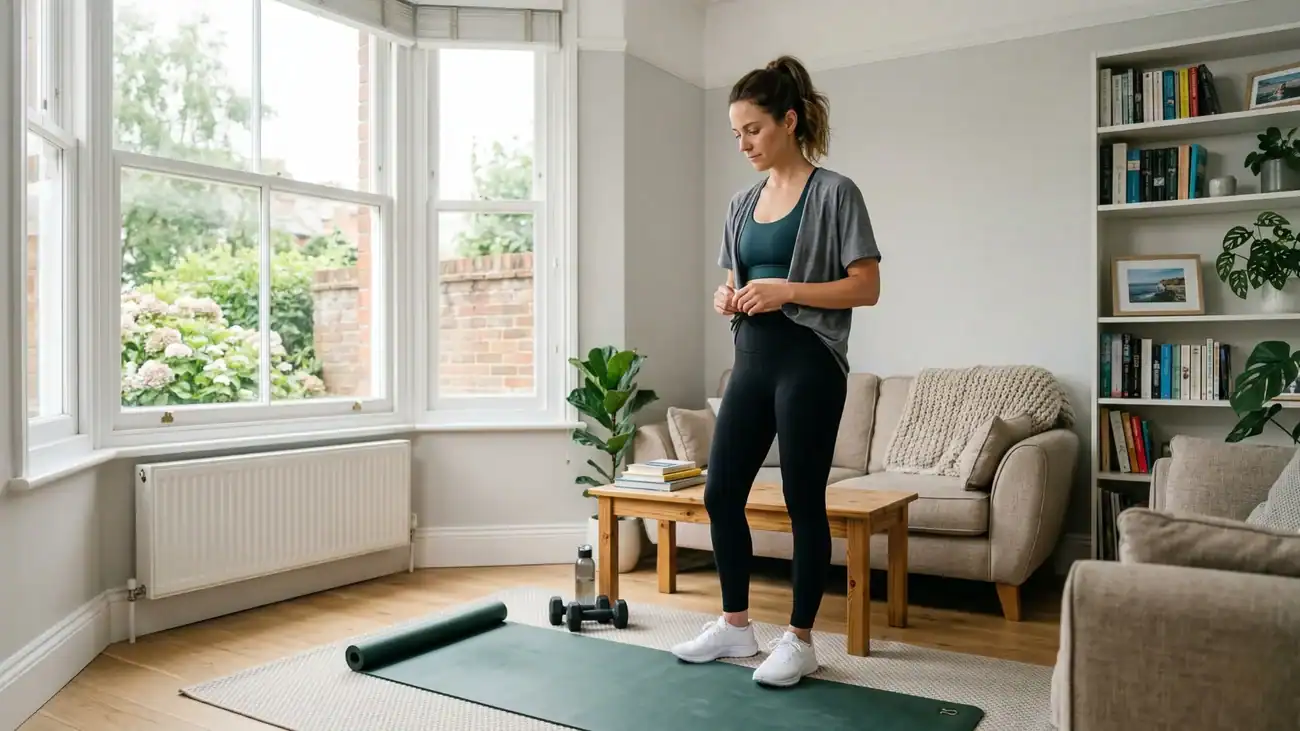
Here’s the part that trips up a lot of women. Some of the most common exercises people turn to for “getting their body back” after pregnancy are actively counterproductive when diastasis recti is present.
Sit-ups and crunches are the obvious ones. They increase intra-abdominal pressure and cause the weakened linea alba to dome outward, worsening the separation. But it’s not just those. Leg raises, unsupported planks, heavy lifting without a proper bracing technique, and some forms of Pilates can all have the same effect if you’re not being guided by someone who understands the condition.
The damage isn’t always obvious in the moment. You don’t feel pain. You just quietly undo the progress you’ve been making.
A good physio will progress you safely through a return-to-exercise programme. Don’t rush it, and don’t compare your timeline to anyone else’s. Book a consultation with us to find guidance on your exercise routine.
When Does Surgery Become Necessary?
For most women, it doesn’t. Surgery, typically an abdominoplasty that sutures the muscles back together, is generally considered only when the gap is very large (over three to four centimetres), hasn’t responded to prolonged conservative treatment, or is accompanied by a hernia that requires repair.
It’s a real option that works in Walthams Cross, but it’s a last resort, not a starting point. The recovery is significant, and the majority of women achieve functional recovery through non-surgical means.
How Long Will Recovery Take After Diastasis Recti Treatment?
Honestly, it depends. Mild separation, when treated early, can improve noticeably within 8 to 12 weeks. Moderate cases typically require 3 to 6 months of consistent work. Severe or long-standing separation can take considerably longer, particularly if it wasn’t addressed in the early postpartum window.
The single biggest factor in recovery speed is starting sooner rather than later. The longer the diastasis recti goes untreated, the more compensatory patterns the body develops around it, and those are harder to unpick.
If you’ve had a baby recently and something feels off, trust that instinct. Get assessed. You don’t have to just live with it.
Read Our Body Sculpting Guides, to Understand How Your Journey Can Take Shape.
Frequently Asked Questions
Does diastasis recti heal on its own?
Mild separation will sometimes partially correct itself in the weeks after birth as hormone levels even out. Moderate to severe cases rarely fully resolve without targeted rehabilitation. Treating it conservatively helps prevent chronic back pain, pelvic floor dysfunction and ongoing core weakness.
Is this effective in treating diastasis recti without surgery in Walthams Cross?
Yes, for most women by a long shot. The evidence-based 1st line of treatment for this condition is structured physiotherapy, and when combined with cutting-edge muscle stimulation technology, results can be phenomenal. Surgery is only used when conservative treatment has failed.
Can diastasis recti come back after treatment?
It can, particularly if you return to high-impact exercise too quickly or without proper guidance, or if a subsequent pregnancy puts pressure on the linea alba again. This is why rehabilitation isn’t just about closing the gap. It’s about retraining your core to manage pressure day to day. Women who complete a full structured programme and follow a safe return-to-exercise plan are significantly less likely to see a recurrence.
What makes diastasis recti worse?
Exercises that increase intra-abdominal pressure with poor core control: crunches, sit-ups, leg raises, unbraced planks, and heavy lifting without proper bracing. Please avoid unnecessary setbacks by seeking the right guidance early.
Can slim or fit women get diastasis recti?
Absolutely. Body weight and fitness level are not protective factors. Diastasis recti is caused by the mechanical pressure of a growing uterus on the connective tissue. It can affect any woman, regardless of her level of activity or lean body mass. What matters is getting the right assessment and treatment, not your starting point.
How early after birth can treatment start?
In Walthams Cross, gentle breathing and pelvic floor work can usually begin (with advice) within days of birth. A formal physio assessment is typically recommended from about six weeks postpartum, although this varies based on your birth. Consult your midwife or GP for individualised advice.
Diastasis Recti: Does It Impact Your Pelvic Floor?
Yes, they are intimately intertwined. The pelvic floor, diaphragm, deep abdominals, and spinal muscles form a pressure system that functions as an integrated unit. Because dysfunction in one area affects the others, diastasis recti treatment often must include simultaneous work on pelvic floor function.
Is exercise okay with diastasis recti?
Not without modification. A progressive return-to-exercise program created by a specialist is crucial. The idea is to progressively rebuild core stability — not to avoid movement altogether but to eliminate the patterns that aggravate the gap. Your clinician at Lipo360 will make sure you leave with a maintenance plan, not just a discharge letter.
The Bottom Line
Diastasis recti is common, manageable and, for the majority of women in Walthams Cross, not requiring surgery. The important parts are proper assessment, working with the right people, and limiting exercises that do more harm than good.
Lipo360 is here for women through every stage of postpartum recovery, from initial assessment to advanced non-invasive treatment. For those unsure of their own options, schedule a consultation with our team and let us help you!